The French Alps are extraordinary cheese country — high alpine pastures, raw milk traditions and a cheesemaking culture that goes back centuries. Our top three: Beaufort, the “Prince of Gruyères”; Saint-Marcellin with its liquid heart; and the Vacherin d’Abondance, the oldest cheese in the Alps. Here are the ten best alpine cheeses, with tasting notes and practical advice on how to enjoy them.
🧀 Quick picks:
- Most prestigious: Beaufort — the Prince of Gruyères, fruity and complex
- Most unusual: Saint-Marcellin — liquid heart, eaten with a spoon when fully ripe
- Most historic: Vacherin d’Abondance — the oldest cheese in the Alps, winter only
- Best for melting: Raclette de Savoie or Bleu du Vercors-Sassenage (more digestible)
- Best value: Tomme de Savoie — affordable, keeps well, travels well
10. Emmental de Savoie — the essential fondue cheese
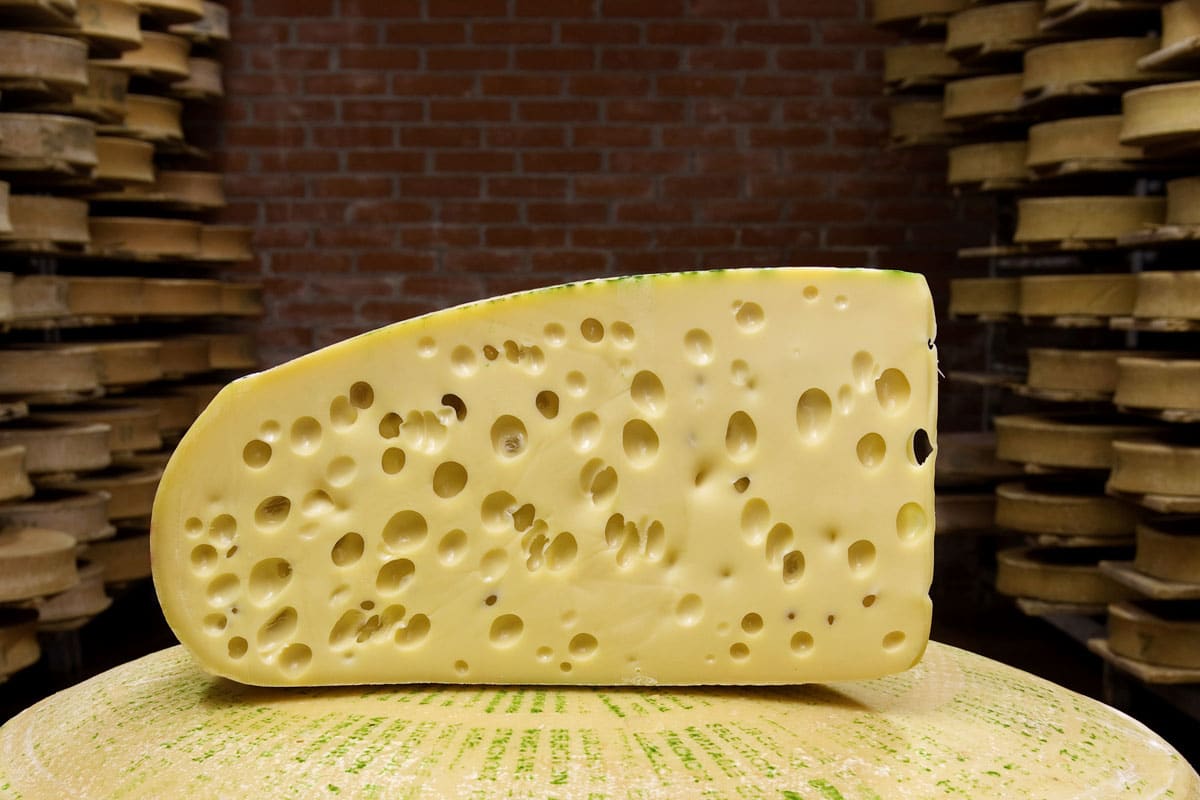
Made in the pre-Alpine valleys of Savoie and Haute-Savoie, Emmental de Savoie is a pressed cooked cheese with a pale yellow paste and the characteristic holes that distinguish the genuine article from its industrial imitators. The flavour is mild and slightly fruity, with hazelnut notes — far more interesting than supermarket emmental. It holds an IGP (protected geographical indication) and is used above all for gratins and the essential fondue savoyarde.
🏷️ Protection: IGP · Milk: raw cow’s milk · Our tip: choose a well-aged piece and pair it with a dry Savoie white such as Apremont — one of the most food-friendly wines in the Alps.
9. Raclette de Savoie — made for convivial evenings

Raclette de Savoie IGP is produced across the Savoie and Haute-Savoie departments and is primarily used for raclette — the quintessential Alpine winter dish of melted cheese scraped over boiled potatoes. It melts perfectly, releasing aromas of raw milk and a mild, creamy flavour. Some versions are smoked or flavoured with pepper or herbs. The name comes from the French racler — to scrape — describing the traditional method of melting the wheel by the fire and scraping the molten layer directly onto the plate.
🏷️ Protection: IGP · Milk: raw or thermised cow’s milk · Our tip: please stop buying supermarket raclette — choose a raw milk Raclette de Savoie and serve it with boiled potatoes, pickled vegetables and charcuterie. The Bleu du Vercors-Sassenage (see below) also makes an excellent raclette and is notably more digestible.
8. Abondance — the Gruyère of the Chablais
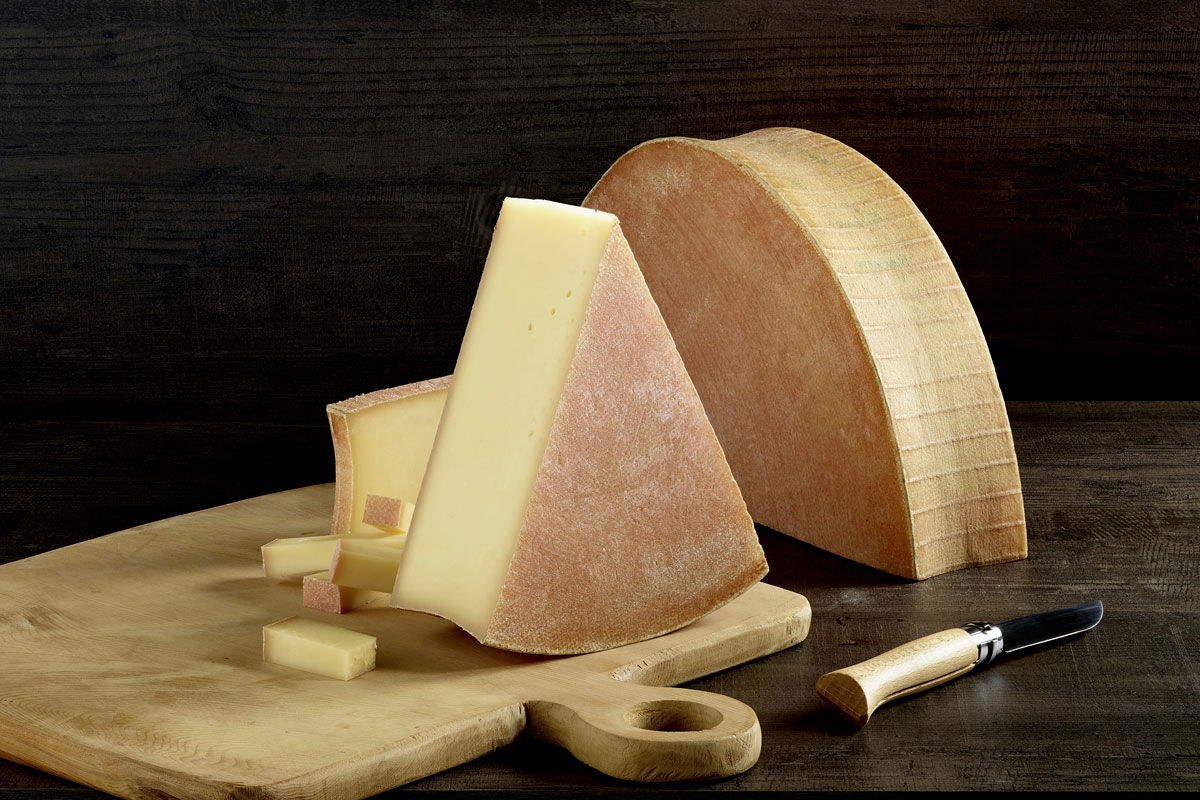
If Savoie has its Beaufort, Haute-Savoie has its Abondance — and while both are alpine pressed cheeses with Swiss origins, they are quite different in character. Abondance is gentler and more delicate on the palate. This AOP cheese is made from the raw milk of Abondance, Montbéliarde and Tarine cows. Its semi-cooked pressed paste is supple, with a characteristic beige-orange concave rind. The flavour is fruity with a slight pleasant bitterness.
🏷️ Protection: AOP · Milk: raw cow’s milk · Our tip: unlike Beaufort, Abondance is still produced on individual farms. If you are passing through the Abondance valley, visit a farm and watch the cheesemaking process — one of the most authentic agricultural experiences in Haute-Savoie.
7. Tomme de Savoie — great cheese, honest price

Made throughout Savoie and Haute-Savoie, the Tomme is the classic everyday mountain cheese — it keeps well, travels well and remains relatively affordable. Tomme de Savoie is an uncooked pressed cheese with a grey bloomy rind; its texture ranges from firm to supple depending on the ageing. The flavour is mild, slightly acidic and earthy — a cheese for everyday eating rather than a special occasion centrepiece, but one with genuine mountain character. There are several stages of maturation; the Tomme au Marc de Savoie (washed in grape marc) has a considerably more powerful flavour.
🏷️ Protection: IGP · Milk: raw or pasteurised cow’s milk · Our tip: choose a well-aged piece (2–4 months) and do not remove the rind — simply scrape off the grey coating. The rind is the most flavoursome part.
6. Reblochon — creamy, raw or melted
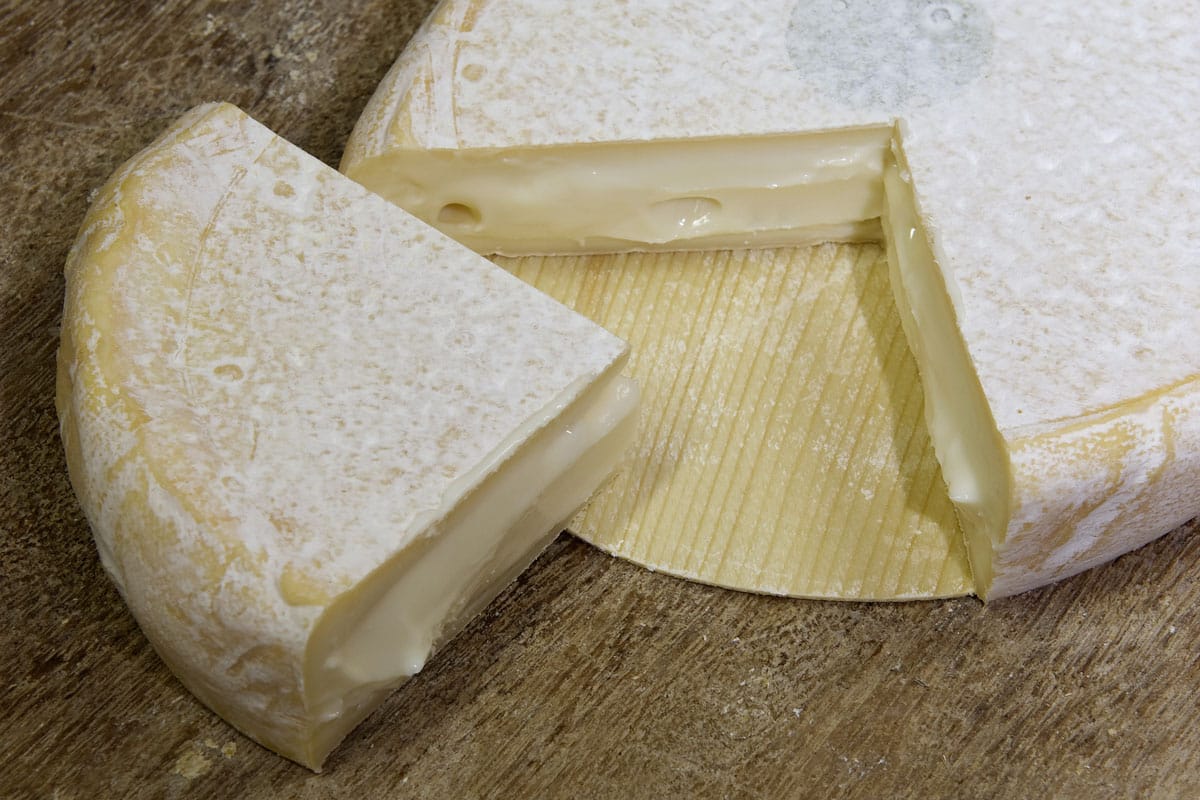
Originating from the Bornes, Aravis and Val d’Arly valleys of Haute-Savoie, Reblochon is the cheese that most UK visitors encounter first in the Alps — as the key ingredient of tartiflette, the potato, bacon and cream gratin that has conquered British supermarkets. But Reblochon deserves to be known beyond tartiflette: eaten at room temperature when well ripened, it is creamy, yielding and subtly nutty — a washed-rind cheese with aromas of cream and hazelnut and none of the aggressive character of stronger washed-rinds.
🏷️ Protection: AOP · Milk: raw cow’s milk · Our tip: cooperative Reblochons (red label) are very good; farm Reblochons (green label) are exceptional. Find a farm on the roadside in the Aravis valley, buy their best cheese, leave it a few days and eat it at room temperature. There is nothing better.
5. Bleu du Vercors-Sassenage — a refined Alpine blue
From the Vercors plateau above Grenoble, this blue-veined cheese is made from cow’s milk and has a creamy, melting texture. The flavour is mild and subtle — notes of mushroom and hazelnut — with none of the sharp intensity of the major French blues (Roquefort, Fourme d’Ambert). It is, in fact, one of the gentlest and most approachable blue cheeses in France. As our French article notes, it is also an excellent alternative to Raclette de Savoie — more digestible and with more complexity.
🏷️ Protection: AOP · Milk: raw cow’s milk · Our tip: delicious on bread with a drizzle of walnut oil from Grenoble, and an excellent raclette cheese — try it as a substitute for standard raclette for a lighter, more interesting result.
4. Tome des Bauges — Tomme, but better

From the Bauges regional nature park between Chambéry, Annecy and Albertville, the Tome des Bauges is what the Tomme de Savoie aspires to be — and consistently surpasses. This AOP uncooked pressed cheese has a grey bloomy rind and a supple, creamy paste. The flavour is fruity and slightly salty, with woodland aromas. It differs from the Tomme de Savoie in its more precise geographical origin, stricter production rules and more complex flavour profile.
🏷️ Protection: AOP · Milk: raw cow’s milk · Our tip: to appreciate its aromas fully, leave the Tome des Bauges at room temperature for at least 30 minutes before eating. Available from farms and markets throughout the Bauges massif — and rarely seen in the UK.
3. Vacherin d’Abondance — the oldest cheese in the Alps
This is arguably the oldest cheese in the Alps. In earlier centuries, every valley had its own Vacherin; gradually the tradition was lost everywhere except the Abondance valley in Haute-Savoie, where a handful of passionate producers kept it alive. The Vacherin d’Abondance is a soft washed-rind cheese made exclusively in winter, when the cows have descended from the summer alpine pastures and their milk becomes richer. The texture is unctuous and liquid; the aromas are powerful; the flavour is mild and creamy. A genuinely exceptional cheese that most visitors to the Alps never discover.
🏷️ Protection: local tradition · Milk: raw cow’s milk · Season: winter only · Our tip: the Vacherin d’Abondance is perfect for fondue or “boîte chaude” — buy a small wheel, cut a circle in the top rind, pour in a splash of white wine and garlic, and bake in the oven until molten. Eat with boiled potatoes and a spoon.
2. Saint-Marcellin — liquid heart, raw or baked
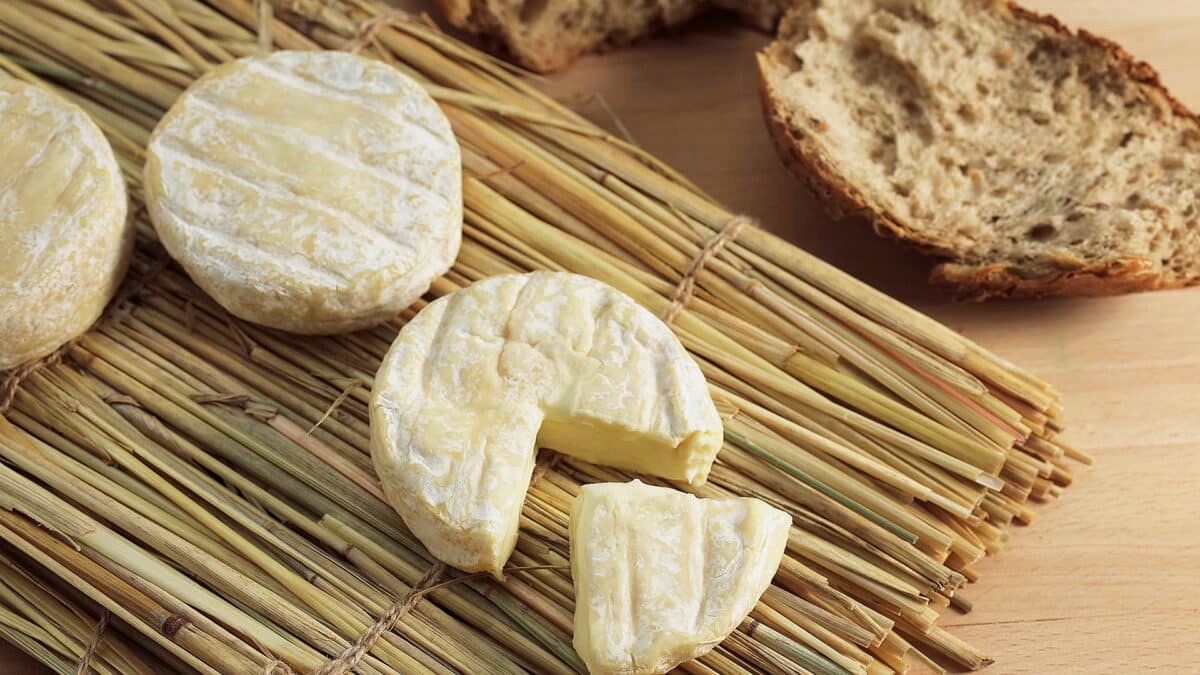
Saint-Marcellin comes from the western Isère and the Vercors — a small soft cheese with a bloomy rind and a texture that ranges from creamy to entirely liquid depending on its stage of ripening. The flavour is delicately acidic, with mushroom notes, and the experience of eating a fully ripe Saint-Marcellin — when the centre is completely molten and runs off the knife — is one of the great pleasures of French cheese. Raw or baked, it is a genuine treat.
🏷️ Protection: IGP · Milk: cow’s milk · Our tip: for optimal eating, leave the Saint-Marcellin at room temperature until it becomes completely liquid at the centre. Patience is rewarded. Baked in its terracotta pot with a drizzle of olive oil and fresh thyme, it is one of the finest five-minute starters in France.
1. Beaufort — the Prince of Gruyères ⭐
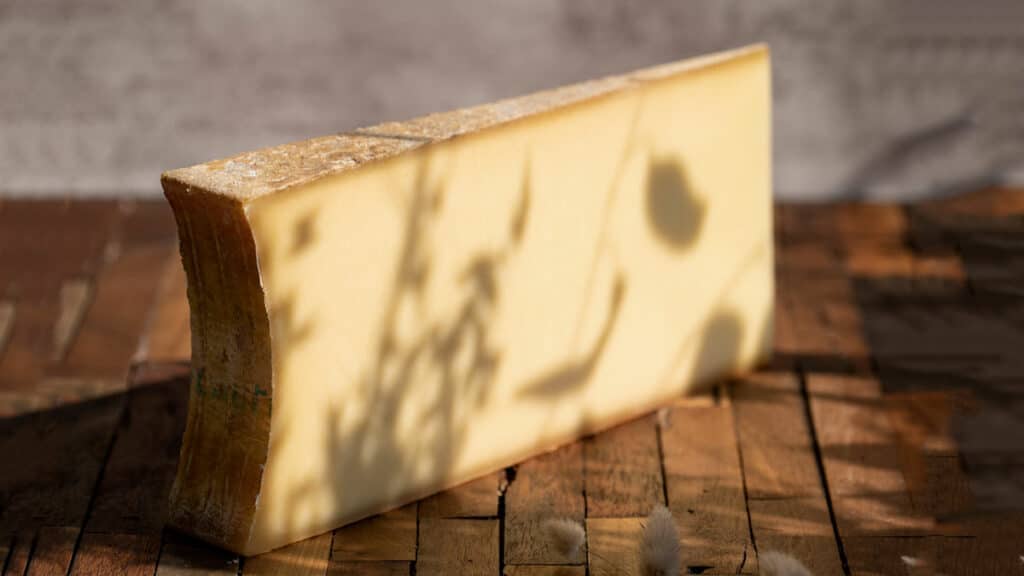
Beaufort is the undisputed king of Alpine cheeses. Made in the high valleys of Savoie — Beaufortain, Tarentaise and Maurienne — from the raw milk of Tarine and Abondance cows, it is a pressed cooked cheese with a smooth, pale yellow paste and a golden rind. The flavour is fruity and floral with a firm yet melting texture — complex, long on the palate and with none of the aggressive sharpness of many aged cheeses. Napoleon reportedly called it the king of cheeses; Brillat-Savarin named it the Prince of Gruyères. Both were right.
Three versions exist: standard Beaufort (minimum 5 months), Beaufort Vieux (12 months minimum, more intense) and Beaufort Chalet d’Alpage (made in high-altitude mountain chalets in summer — the most prized and most expensive, available from August).
🏷️ Protection: AOP · Milk: raw cow’s milk · Our tip: Beaufort is primarily produced in cooperatives. The Coopérative Laitière de Beaufort in the village of Beaufort has viewing windows so you can watch the cheesemakers at work — one of the most interesting food visits in the Alps. Pair with a white Savoie wine: Chignin-Bergeron or Roussette de Savoie.
FAQ — French Alpine cheeses
A traditional fondue savoyarde uses a blend of Beaufort, Emmental de Savoie and Comté (or Abondance), melted with a dry white Savoie wine such as Apremont or Chignin, with a splash of Kirsch. Beaufort provides the depth and complexity; Emmental de Savoie provides the stretch and melt. The ratio is roughly one-third of each, though Beaufort-dominant versions tend to be the most flavoursome.
Both are uncooked pressed cheeses with grey bloomy rinds, but the Tome des Bauges is an AOP cheese from a specific geographical area (the Bauges massif between Chambéry, Annecy and Albertville) with stricter production rules and a more complex flavour. Tomme de Savoie has a broader IGP covering all of Savoie and Haute-Savoie, and is generally milder and more affordable. Think of the Tome des Bauges as the premium version.
Yes — UK travellers returning from France can bring personal quantities of cheese for their own consumption without a set weight limit. Customs officers may question very large quantities. Vacuum-packed cheeses travel best. Hard cheeses (Beaufort, Abondance, Emmental de Savoie) travel well without refrigeration for a day’s journey. Soft cheeses (Reblochon, Saint-Marcellin, Vacherin d’Abondance) need a cool bag and should be consumed within a few days of purchase.
Most of the AOP cheeses in this guide are available in the UK from specialist fromageries: La Fromagerie (London), Neal’s Yard Dairy (Borough Market and Covent Garden) and Paxton & Whitfield carry Beaufort and Reblochon year-round. Waitrose and Marks & Spencer stock Beaufort and Reblochon, though not always in raw milk versions. Tome des Bauges and Vacherin d’Abondance are genuinely difficult to find outside the Alps.
Photos : AFTALP-L.MADELON et Adobe Stock
👉 Read also: Things to see around Chambéry and Aix-les-Bains · Most beautiful villages in Savoie · French Alps in autumn