How can you avoid the Fréjus Tunnel? To reach Italy without paying around €70 for a return ticket, the only free and direct alternative is the Col du Mont-Cenis (2,083 m), above Lanslebourg, open from mid-May to early November. In winter the pass is closed, so you either drive round via Briançon and the Col de Montgenèvre, open all year, or pay for another tunnel: the Mont Blanc or the Great St Bernard. Here are the routes by season, the 2026 tunnel tolls and our tips for the drive.
– reviewed and updated on 6 Nov 2026 –
Why look for an alternative to the Fréjus Tunnel?
The Fréjus Tunnel is a 13 km road tunnel linking Modane (France) to Bardonecchia (Italy). It is the natural choice if you are heading to Italy from Lyon on the A43 motorway. The problem is the price: more than €55 one way and around €70 return. Since summer 2025, a second bore carries traffic in each direction separately, which makes the crossing smoother. But during peak holiday departures, or when the Mont Blanc Tunnel closes for works, traffic diverts heavily to the Fréjus and queues at the toll can be long. For budget-conscious travellers, those uncomfortable in tunnels, or anyone looking for a more scenic crossing, an alternative route is well worth considering.
How much does the Fréjus Tunnel cost in 2026?
Tolls change every 1 January. A return ticket is valid until midnight on the seventh day after purchase: after that, you pay two single fares.
| Vehicle | One way | Return (7 days) | 8-crossing pass (2 years) |
|---|---|---|---|
| Car (class 1, up to 2 m high) | €55.50 | €69.20 | €174.50 |
| Campervan, van (class 2, up to 3 m) | €73.40 | €92.30 | €228.90 |
| Motorbike (class 5) | €36.70 | €46.10 | €114.30 |
The Mont Blanc Tunnel charges almost identical tolls. If you cross often, the 8-crossing pass works out at around €22 per crossing by car, less than half the single fare.

Summer: the Col du Mont-Cenis, free and magnificent
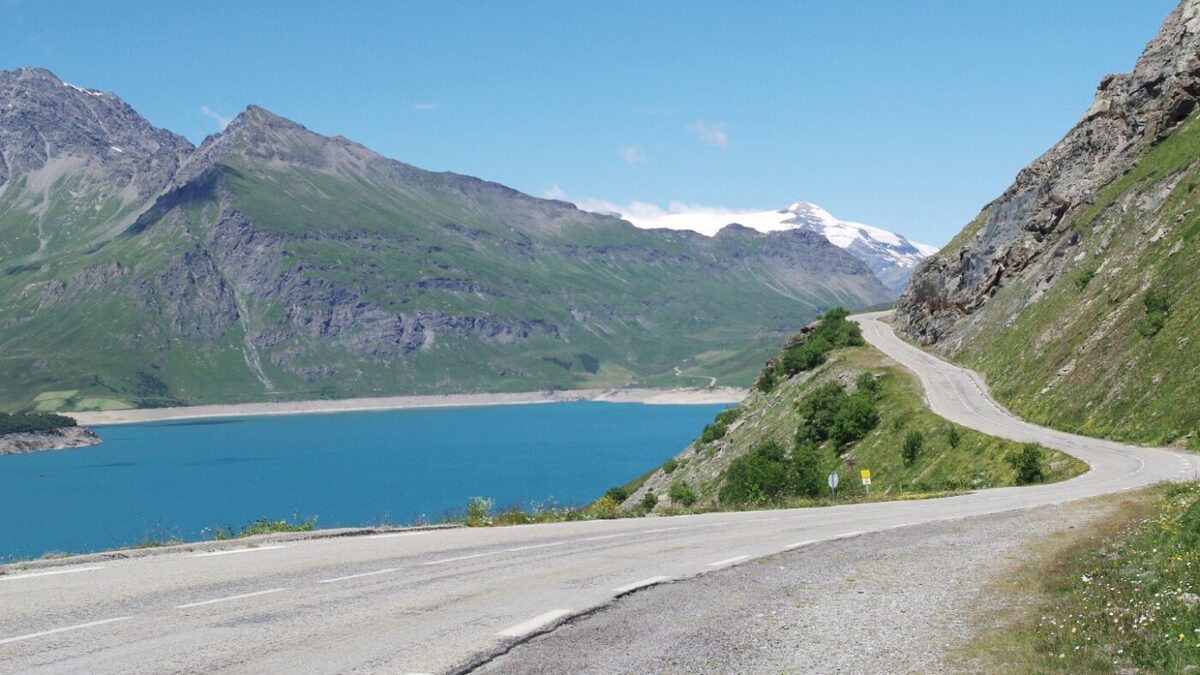
From the moment the snow melts (generally mid-May to early November; in 2026 the pass closed on 5 November), the obvious alternative to the Fréjus Tunnel is the Col du Mont-Cenis at 2,083 metres. Here is why it makes sense:
- Same valley: the road to the pass leaves from the same Maurienne valley, about twenty kilometres beyond Modane and the Fréjus Tunnel entrance (follow Lanslebourg-Mont-Cenis). No major detour required.
- Completely free: no toll. The saving is immediate, even allowing for the extra fuel on the climb.
- Genuinely beautiful: the climb is spectacular, emerging onto a large turquoise lake at the top. The descent towards Susa in Italy is just as scenic, if fairly long, with plenty of hairpin bends.
If you are in a car or on a motorbike and happy with a more challenging mountain route, you can also head to Briançon (via the Col du Galibier, if open) and cross into Italy via the Col de Montgenèvre (1,850 m) or the Col Agnel, both free. Early or late in the season, check the pass closure dates before setting off.
Winter: north or south detour
In winter, things get much more complicated. The Col du Mont-Cenis is closed to traffic, as are the Galibier and the Agnel. If you need to reach Turin or Milan from Savoie between November and May, the options are limited:
- Detour via Chamonix to use the Mont Blanc Tunnel (if open), or continue into Switzerland (Martigny) for the Great St Bernard Tunnel. The Mont Blanc Tunnel has no long closure planned for autumn 2026, but it will close for 15 weeks in autumn 2027 and again in autumn 2028. The Swiss option requires a Swiss motorway vignette (CHF 40, valid for one calendar year) plus the Great St Bernard toll (€33.50 one way, €53.50 return). It adds significant distance.
- Detour via the Oisans, the Col du Lautaret (open all year) and Briançon, then cross into Italy via the Col de Montgenèvre (1,850 m, open in winter, but check road conditions) or, further south, the Col de Larche. This is the logical route from Grenoble, but a very long way round from Chambéry or Lyon.
- The Côte d’Azur motorway, heading south to Nice and crossing near Ventimiglia. This avoids mountain roads entirely, but it is much longer and the motorway tolls add up.
In winter, the choice comes down to tunnel tolls versus the cost, in fuel, time and fatigue, of a very long detour. For most travellers, the Fréjus Tunnel remains the most practical option despite its price. Remember that from 1 November to 31 March, French mountain law (loi Montagne) requires winter tyres or snow chains in the boot in Savoie and the Hautes-Alpes, and Italy has its own rules on mountain roads.
Which route should you choose to drive to Italy?
| Route | Season | Cost | Best for |
|---|---|---|---|
| Fréjus Tunnel | All year | Around €70 return | Lyon, Chambéry to Turin, the fastest |
| Col du Mont-Cenis | Mid-May to early November | Free | Avoiding the toll in summer, from the Maurienne |
| Col de Montgenèvre (via the Lautaret) | All year | Free | Grenoble, Briançon to Turin |
| Mont Blanc Tunnel | All year, except closures for works | Around €70 return | Annecy, Geneva to Aosta and Milan |
| Switzerland and the Great St Bernard Tunnel | All year | CHF 40 vignette plus toll | Geneva, Valais to Aosta |
What about the train?
TGV and Frecciarossa trains between Paris, Lyon, Turin and Milan run via Modane and the Mont-Cenis rail tunnel: no toll, no queues, and Turin a few hours from Lyon.
FAQ: avoiding the Fréjus Tunnel
What is the free alternative to the Fréjus Tunnel?
The only fully free alternative is the Col du Mont-Cenis (2,083 m), a magnificent mountain pass open from mid-May to early November. There is no toll; the only extra cost is the fuel for the climb. In winter, the free alternative is the Col de Montgenèvre, at the cost of a long detour via Briançon.
How much does the Fréjus Tunnel cost in 2026?
By car, €55.50 one way and €69.20 return, valid for 7 days (French side). By motorbike, €36.70 one way and €46.10 return. Campervans and vans over 2 m high pay €73.40 one way.
When is the Col du Mont-Cenis open?
Generally from mid-May to early November, depending on snowfall. The pass can close earlier in autumn after early snow, or open later in spring after a heavy winter. In 2026, it closed on 5 November. Always check road conditions before setting off.
Is going via Switzerland a good alternative to the Fréjus Tunnel?
It depends on your destination. For Aosta, yes. For Turin, the natural destination after the Fréjus, the Swiss detour is long and expensive: you need a Swiss vignette (CHF 40) plus the Great St Bernard toll (€53.50 return). It is rarely economical for a simple return trip.
What is the fastest route to Italy from Lyon?
The fastest route remains the A43 motorway followed by the Fréjus Tunnel. All the alternatives, whether the Col du Mont-Cenis, the Mont Blanc Tunnel or the Swiss route, add journey time, either because of mountain roads or longer detours.
What is the difference between the Mont Blanc Tunnel and the Fréjus Tunnel?
Both tunnels link France and Italy through the Alps, but they serve different routes. The Mont Blanc Tunnel (11.6 km) links Chamonix to Courmayeur in the Aosta Valley: the best option for Aosta, Milan and the Italian Lakes from Geneva or Annecy. The Fréjus Tunnel (13 km) links Modane in the Maurienne valley to Bardonecchia: the most direct route to Turin from Lyon or Chambéry. Both charge almost identical tolls, around €70 return. To avoid the toll altogether, free mountain passes exist for both crossings: see our guide to the free alternatives to the Mont Blanc Tunnel.