Far from the wild, rugged image of rocky summits and sheer cliffs, the French Alps shelter true havens of biodiversity. Here, the harshness of the mountain climate meets the sheer delicacy of high-altitude blooms. To visit an alpine garden is to embark on a unique sensory journey: you can breathe in the scent of edelweiss and heritage roses, listen to the whisper of petrifying fountains, and gaze at breathtaking, vertiginous panoramas. From scientific botanical gardens perched at 2,100 metres to historic castle parks and unexpected ecological oases, the Alps cultivate the art of landscaping with rare dedication. Here is our selection of 10 botanical gems to discover for an enchanting interlude between lakes and peaks.
La Jaÿsinia – Samoëns (74)

Spanning an 80-metre elevation gain across 3.7 hectares on the southern slopes of Samoëns, this alpine botanical garden features over 5,000 mountain plant species sourced from all five continents. Managed by the prestigious National Museum of Natural History in Paris since 1936, the estate offers a stunning, bird’s-eye view over the historic village of Samoëns. Best of all, admission to this exceptional layout is entirely free.
Jardin des Cimes – Plateau d’Assy (74)

The Jardin des Cimes is a true invitation to contemplation, set directly against the backdrop of Europe’s highest peak. Located on the Plateau d’Assy at an altitude of approximately 1,000 metres, it offers a majestic view of the Mont-Blanc massif. This educational and sensory trail spans several hectares, taking visitors through diverse landscapes: a lush green tunnel, a misty forest, alpine pastures, and high-altitude vegetable patches. The visit lasts about 1 hour and 30 minutes, punctuated by artistic and botanical installations that appeal equally to keen gardeners and families. What makes this venue unique is its elegant staging of alpine flora.
- Opening times: June to September (ideal for peak summer blooms; easily accessible by road via Passy).
The Gardens of Château du Touvet (38)
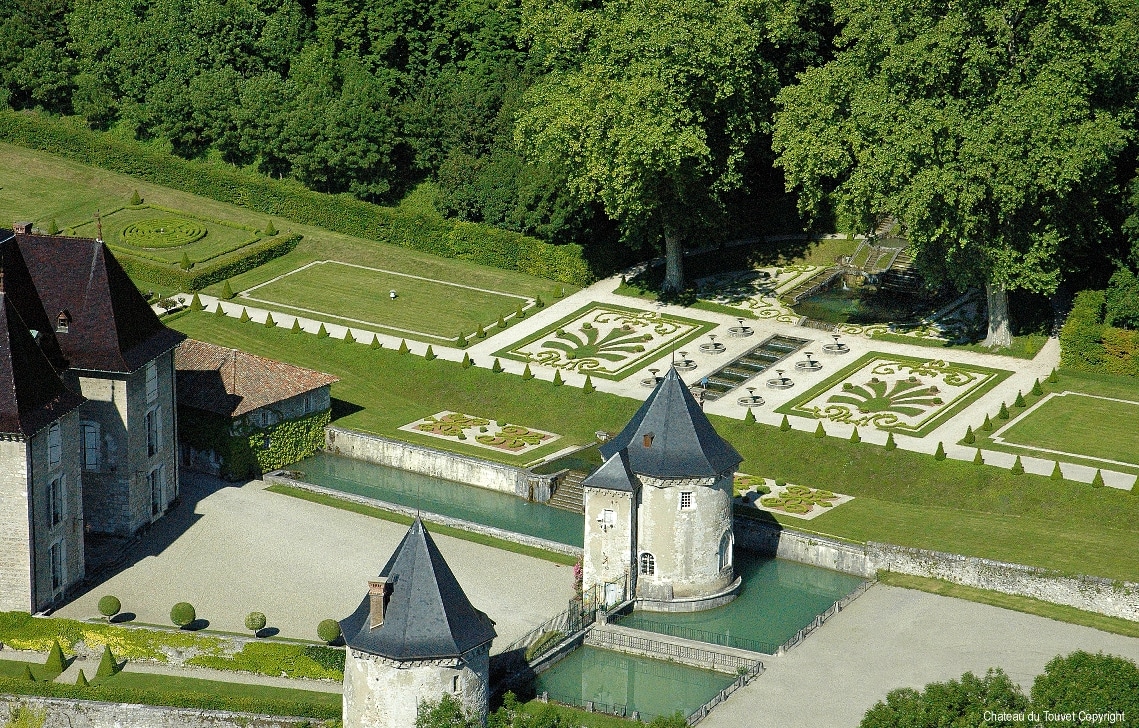
Nestled between Grenoble and Chambéry at the foot of the Belledonne mountain range, the Château du Touvet boasts classical gardens of an unexpected symmetry for a mountain setting. The undeniable centrepiece is the Italian-style water staircase, an 18th-century hydraulic masterpiece powered entirely by the natural springs of the Chartreuse mountains. It is a unique architectural feature in France, with its only true counterpart found at the Domaine de Saint-Cloud near Paris. Visitors can stroll through perfectly manicured French-style terraces that offer a striking contrast to the jagged mountain ridges nearby. The historic castle itself is also open to visitors.
- Opening times: April to October (primarily weekends and bank holidays; located 30 minutes from Grenoble).
Lautaret Alpine Garden (05)
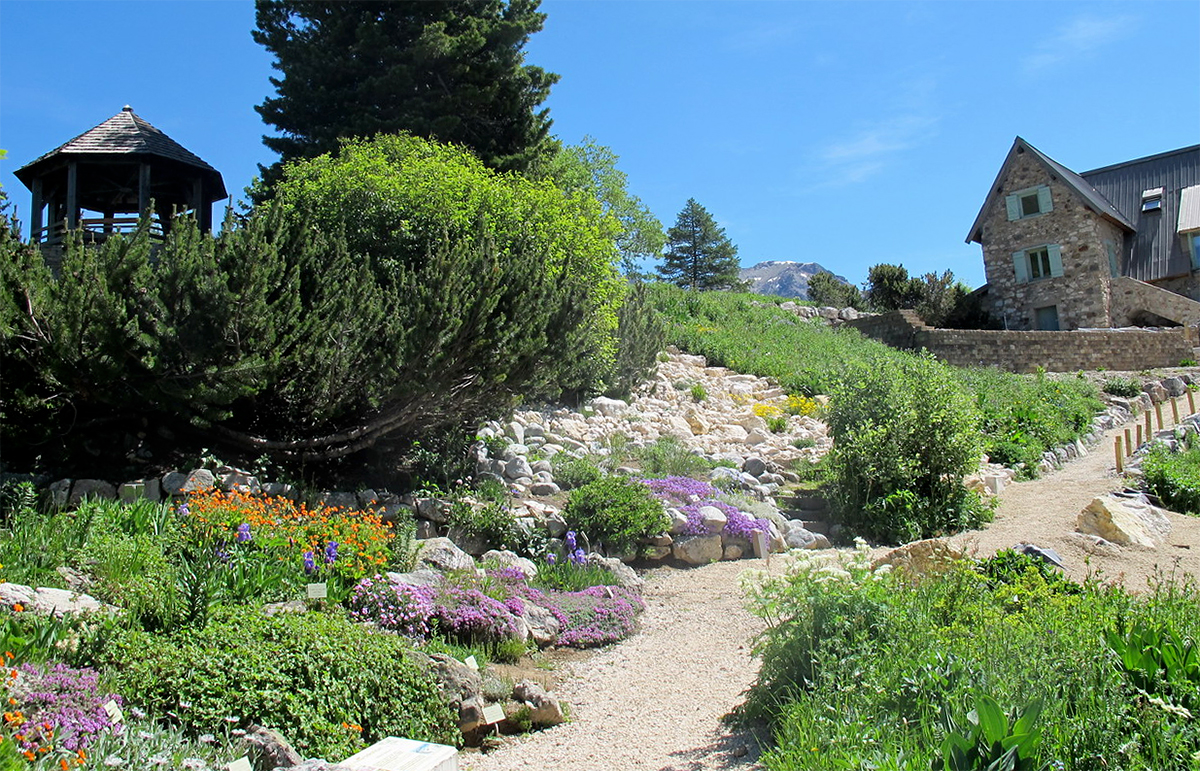
Perched at an impressive altitude of 2,100 metres, this site is one of the oldest and most beautiful high-altitude botanical gardens in Europe. Managed by Grenoble Alpes University since 1899, it serves as a renowned open-air scientific laboratory. Visitors can admire over 2,000 species of mountain plants from around the world (including the Alps, Caucasus, Himalayas, and Andes), organized by geographic origin. Seeing these rare species bloom with the glaciers of La Meije as a backdrop is an unforgettable experience.
- Opening times: Early June to early September (limited opening window due to alpine snow and cold; accessible via the Col du Lautaret road).
Garden of the Five Senses – Yvoire (74)
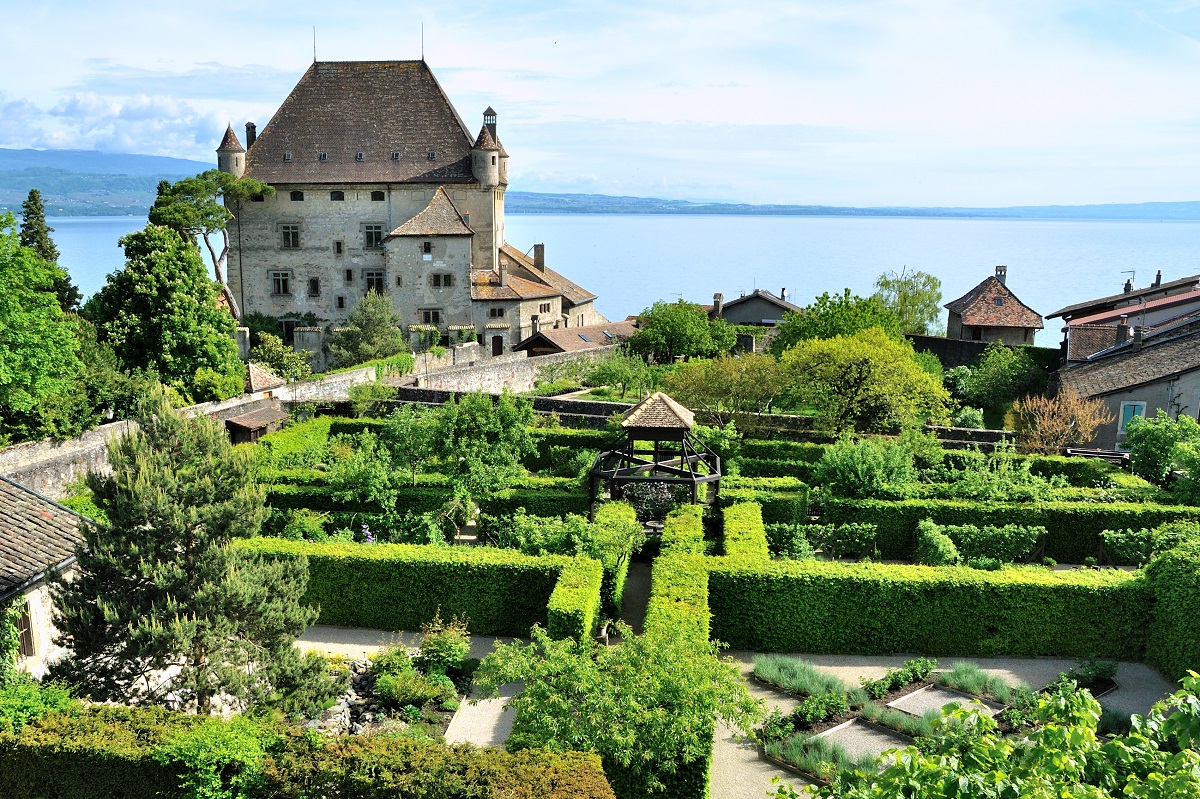
In the heart of the medieval village of Yvoire, this “Labyrinth of the Senses” is a peaceful sanctuary on the shores of Lake Geneva (Lac Léman). Inspired by the enclosed gardens of the Middle Ages, this certified Jardin Remarquable (Remarkable Garden) was explicitly designed to stimulate sight, touch, taste, smell, and hearing. Each green cloister offers a new discovery, from brushing against fragrant leaves to relaxing by the sound of trickling water. Tucked away inside the old castle walls, it feels completely frozen in time.
- Opening times: May to September (perfectly combined with a stroll through the village or a cruise on the lake).
Gardens of Château de Vizille (38)
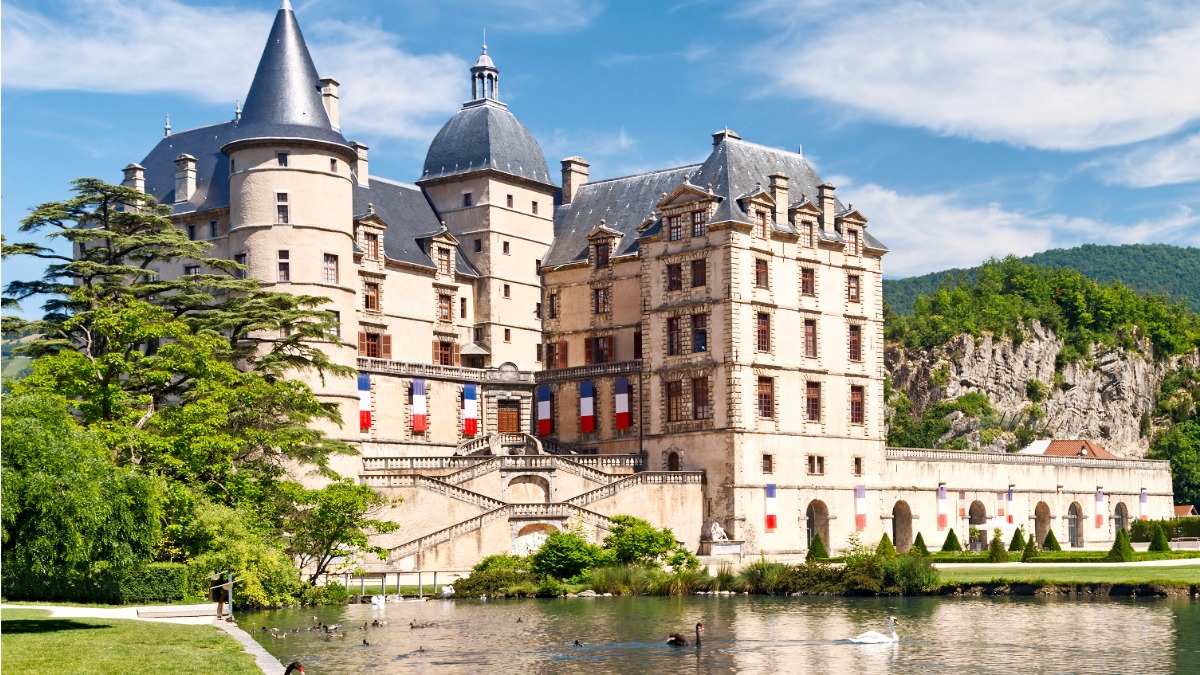
Widely regarded as the birthplace of the French Revolution, the Domaine de Vizille spreads across 100 hectares at the foot of the Belledonne massif. This English-style landscape park is an immense terrain for exploration, where visitors frequently spot herds of red and fallow deer roaming in semi-liberty. Century-old tree-lined avenues lead to a grand central lake and refreshing waterfalls. While the castle houses the Museum of the French Revolution, the parkland itself is well worth a dedicated day trip. Admission to the park is free.
- Opening times: Open all year round (located 20 minutes from Grenoble; showcases dramatic seasonal shifts from cool summer shade to fiery autumn colours).
Domaine de Charance – Gap (05)
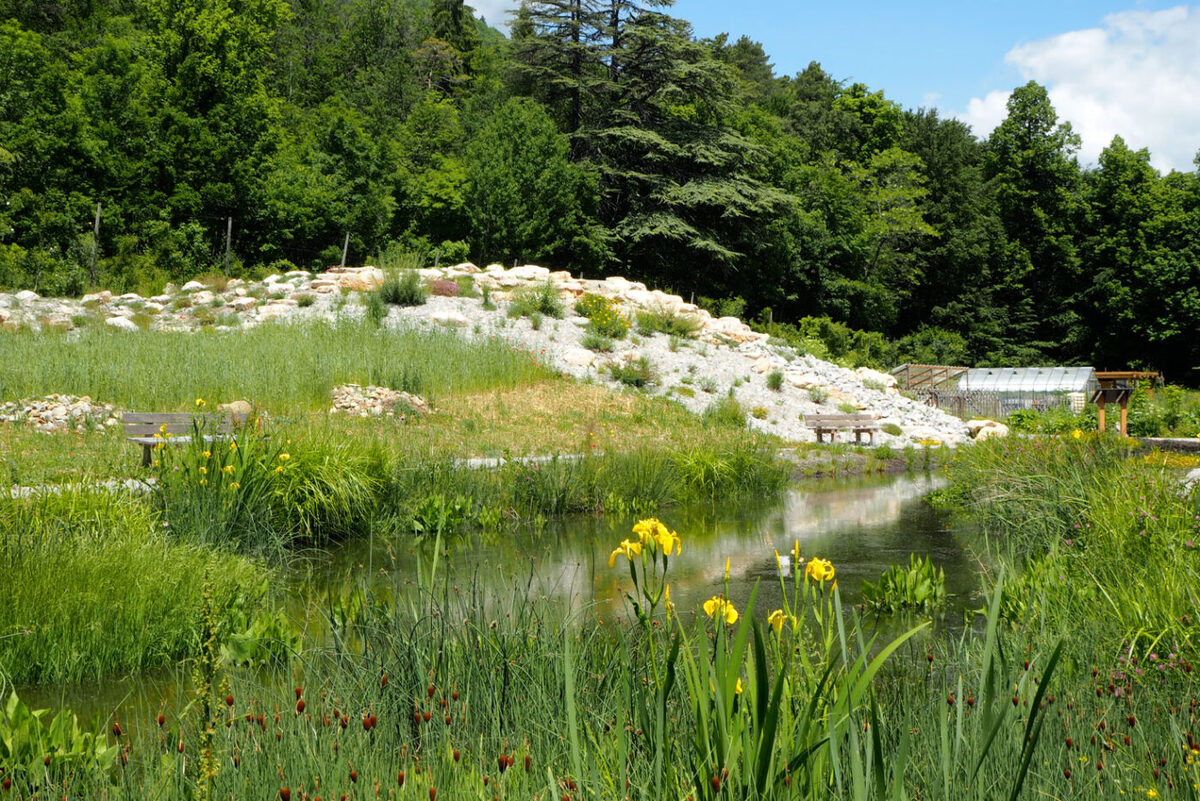
Overlooking the town of Gap at an altitude of 1,000 metres, the Domaine de Charance is a jewel of the Hautes-Alpes. Serving as both a botanical garden and an alpine conservation centre, it offers a stunning panoramic view of the Dévoluy mountain range. The estate features several themed sections, including a remarkable terraced Mediterranean garden and a historic vegetable garden managed by the local department. It is highly celebrated for its extensive arboretum and its famous collection of heritage roses.
- Opening times: April to October (free admission; located just 10 minutes from Gap, with successions of blooms reflecting a distinctly southern alpine palette).
Les Jardins Secrets – Vaulx (74)
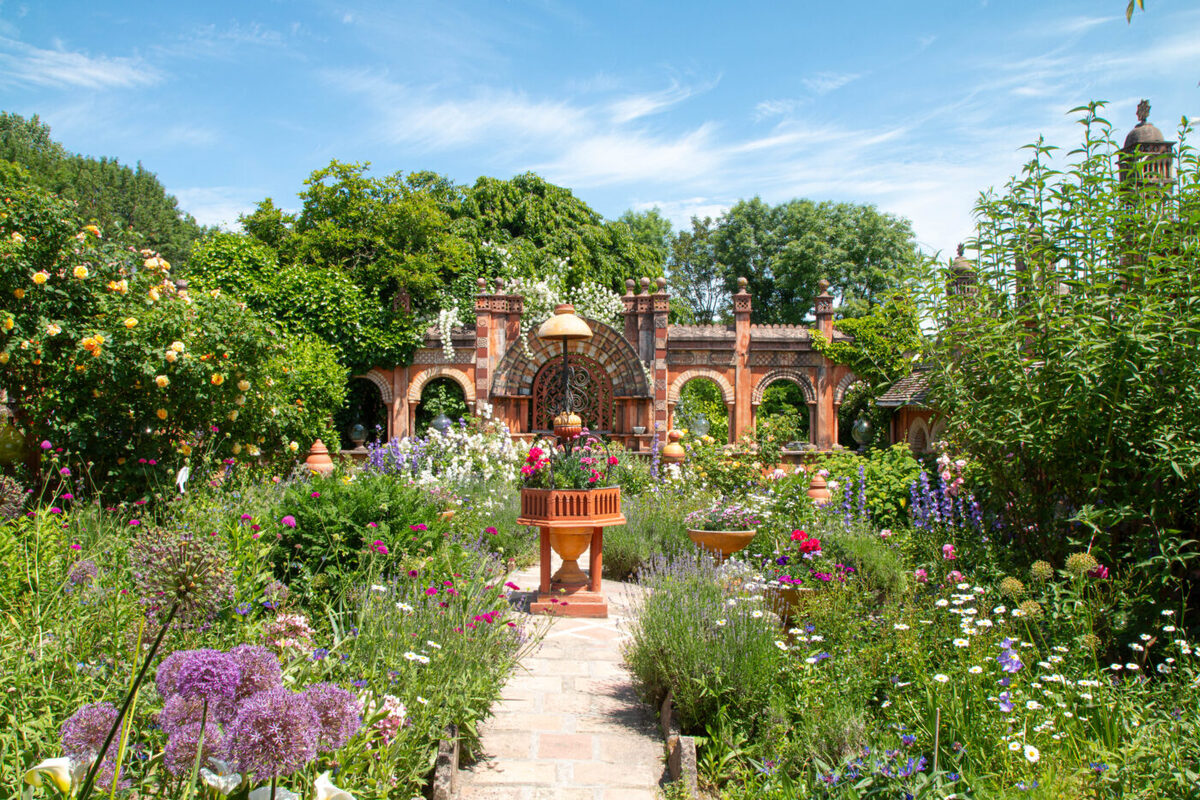
This unclassifiable, creative venue was born entirely from the passion of a single family. The Jardins Secrets (Secret Gardens) of Vaulx are a mosaic of interior patios and hand-carved wooden galleries, blending traditional Savoyard architecture with oriental inspirations. Visitors can wander between elegant fountains and meticulously decorated tea lounges. It is a poetic, 7,000-square-metre labyrinth where fine craftsmanship meets nature. The main appeal lies in its bespoke, handmade details and the profusion of flowers adorning every corner.
- Opening times: April to early October (easily accessible from Annecy).
The Petrifying Fountains Garden – La Sône (38)
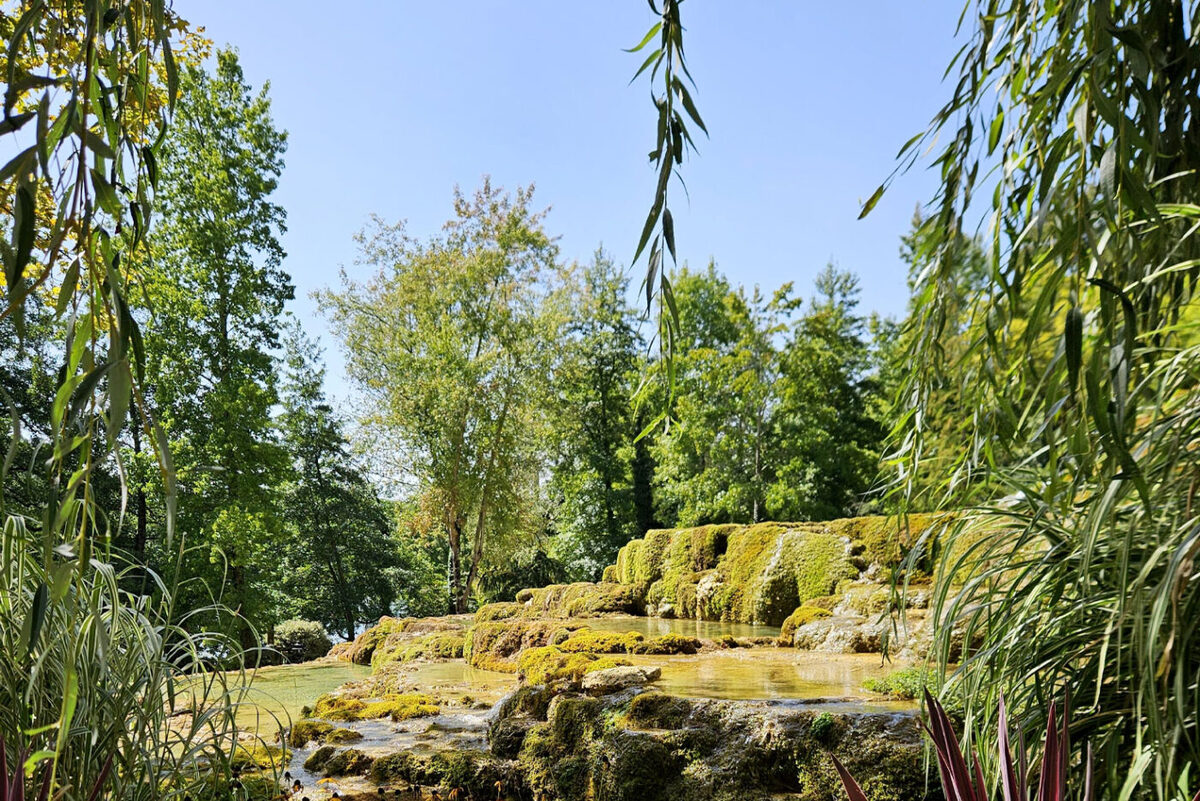
This garden showcases a truly unique geological curiosity. Situated along the banks of the Isère River at the foot of the Vercors massif, the park utilizes a highly calcareous water source to gradually turn plant matter into stone—a natural phenomenon that creates tufa rock (la tufière). The landscaped park is beautifully designed around this process, featuring petrified waterfalls and exotic flora that thrives in a surprisingly mild local microclimate. Visitors walk amidst travertine rock formations and creative water displays.
- Opening times: May to September (located 45 minutes from Grenoble or Chambéry; a spectacular blend of botany and geology).
Terre Vivante Ecological Centre – Mens (38)
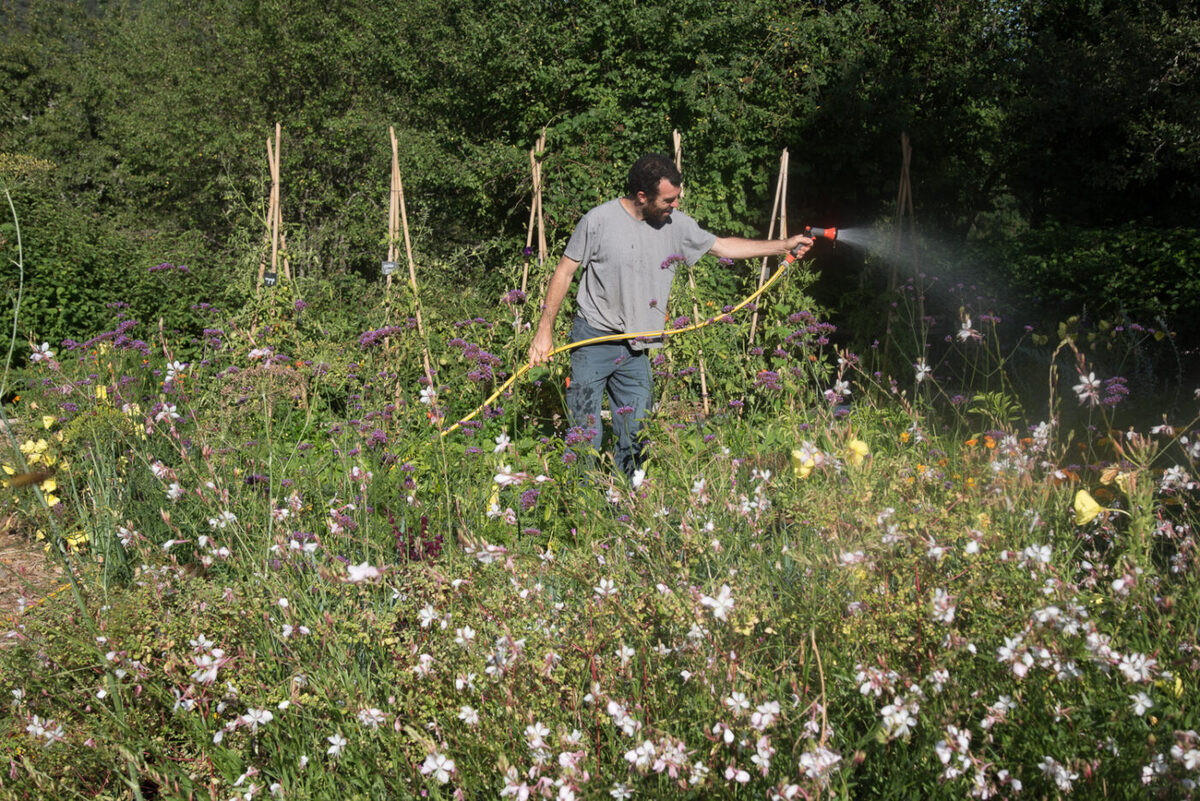
Forget formal show gardens: here, nature is an ally cultivated with deep respect. Nestled at an altitude of 800 metres at the foot of the Grand Veymont, the Terre Vivante Ecological Centre is a living laboratory dedicated to 100% organic, chemical-free gardening. Across several hectares of clearings and woodlands, visitors can explore lush vegetable patches, educational ponds, heritage orchards, and innovative eco-constructions. It offers a practical immersion into sustainable living, showing visitors how to encourage biodiversity and compost effectively—all with the wild beauty of the Dévoluy massif on the horizon.
- Opening times: Generally May to early October (please note the centre reopened fully following its temporary 2025 closure; located in Mens, roughly 1 hour from Grenoble or Gap).